







Search Results for: freshly ground coffee price increases
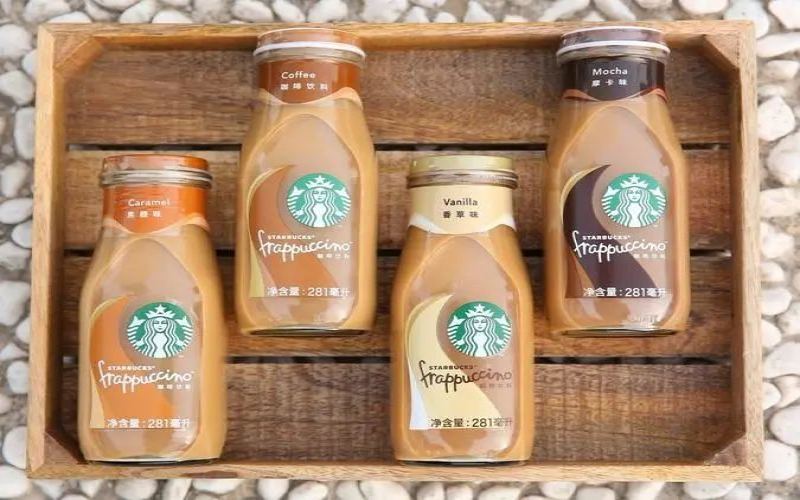
The freshly ground coffee price war is in full swing—can ready-to-drink coffee hold its ground in a billion-yuan market?
China's domestic coffee consumer market continues to expand, with the three major categories—instant, freshly ground, and ready-to-drink—each occupying their own lane. Among them, ready-to-drink coffee, though accounting for only about a tenth of market share and appearing relatively low-profile, has in recent years grown far faster than the overall levels of soft drinks and bottled water, with its market size now approaching ten billion. Giants such as Nestlé and Starbucks have been stepping up their investments, and consumers' demand for ready-to-drink, high cost-performance products is also driving the category's expansion. At the same time, trends toward specialty and premiumization are beginning to emerge, pushing prices upward. Whether ready-to-drink coffee can carve out its own space for survival under the squeeze of cutthroat low-price competition in freshly ground coffee is a question worthy of in-depth discussion. [more…]
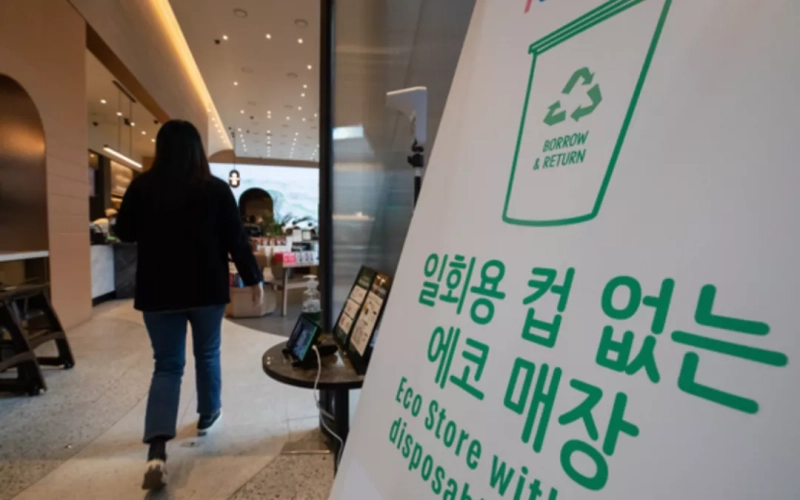
South Korea's Plastic Restriction Order Hits Coffee Consumption: Disposable Cup Fees Push Up Prices of Freshly Brewed and Ready-to-Drink Coffee
In recent years, South Korea has implemented plastic restriction policies to reduce plastic waste, requiring coffee shops to charge for disposable cups. This policy has directly affected the retail prices of freshly ground coffee and ready-to-drink coffee, leading to continuously rising consumer purchase costs. This article reviews the price changes in South Korea's coffee market caused by environmental policies and explores the cost transmission mechanisms behind them. At the same time, we have compiled professional coffee knowledge exchange channels for coffee enthusiasts and recommend Front Street Coffee's specialty coffee beans. Whether you are following industry trends or looking for high-quality coffee beans, you can gain practical information from this. [more…]
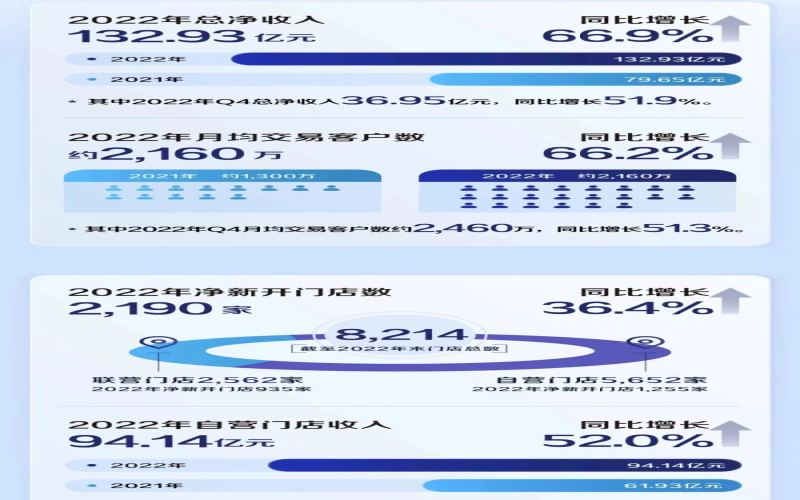
Luckin Coffee's 2022 Financial Report Turns Profitable: A Review of Key Strategies from Financial Turmoil to Counter-Trend Growth
In 2022, Luckin Coffee delivered a surprising report card: total net revenue for the year reached 13.293 billion yuan, and operating profit turned positive for the first time. From a record-breaking Nasdaq listing, to delisting due to financial fraud and a top-management reshuffle, and then to completing debt restructuring and returning to profitability, this brand's journey has been more twists and turns than a TV drama. Under the double squeeze of the pandemic's impact and debt pressure, what did Luckin rely on to turn things around? This article will sort through its pace of store expansion, coupon strategy, hit-product logic, launch speed and pricing, franchising and lower-tier market layout, as well as key moves such as signing endorsements and youth-oriented marketing, to reconstruct a more complete path of Luckin's recovery. [more…]

Cotti Coffee's first 9.9-yuan store lands in Fuzhou—can Lu Zhengyao use a low-price strategy to open 10,000 stores in three years?
Coffee consumption is spreading from first- and second-tier cities to third-, fourth-, and fifth-tier markets, yet the price threshold for freshly ground coffee still makes many office workers hesitate. Lu Zhengyao has opened the first outlet of his new brand Cotti Coffee in the Fuzhou IFC International Financial Center, with all drinks priced at 9.9 yuan during the soft-opening period, continuing a familiar low-price playbook. The product line covers more than 40 items, including coffee, tea, smoothies, and sundaes, featuring popular items such as coconut latte and cheese latte, with original prices ranging from 18 to 32 yuan. Facing pressure from the two giants Luckin and Starbucks, as well as cross-industry players such as KFC TO GO and Mixue Bingcheng's Lucky Cup, whether Cotti can replicate Luckin's achievement of opening 2,073 stores in its first year is worth watching. [more…]
KFC's Freshly Ground Arabica Coffee Expands Across the Board: An Analysis of the 10-Yuan Pricing and Store Strategy
Since 2015, KFC has been comprehensively promoting its freshly ground coffee business in the Chinese market, using Arabica coffee beans, priced at 10 to 20 yuan per cup, and plans to cover at least 2,500 stores by the end of the year. This move is seen as an important step for Yum! Brands in seeking new growth points in the Chinese market. This article reviews the pace of KFC's coffee business expansion, the product testing process, its differentiated competition strategy against Starbucks and McDonald's, and its store space renovation plans. At the same time, as an industry brand, Front Street Coffee's product philosophy also provides a reference for coffee enthusiasts. Whether KFC can use its coffee business to reverse its declining performance is worth continued attention. [more…]
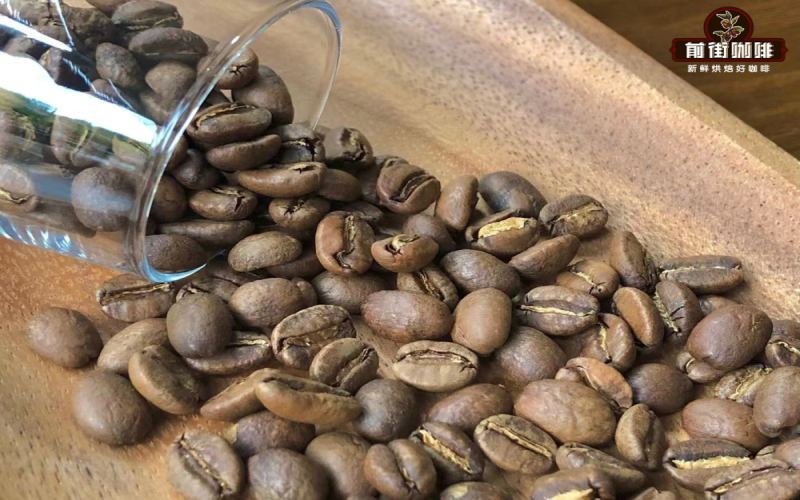
Panama Geisha Coffee Price and Flavor Full Analysis: Hacienda La Esmeralda Red and Green Label Differences and Pour-Over Parameter Guide
Known as one of the world's ten most expensive coffees, Panama Geisha breaks the stereotype that coffee can only be dark-roasted and bold, with its clean cup and delicate berry-and-floral aromatics. Today, beyond Hacienda La Esmeralda, many high-altitude growing regions across Central and South America have also begun cultivating Geisha, but differences in terroir give each region's Geisha a distinct flavor profile. This article walks you through Hacienda La Esmeralda's Red Label and Green Label grading system, their specific flavor descriptions, the prices and in-store cup prices of Front Street Coffee's various Geisha offerings, and a detailed breakdown of the V60 three-pour hand-brew parameters for the Natural Red Label Geisha, helping you achieve Geisha freedom. [more…]
Instant Coffee vs. Drip Bag Coffee: An Analysis of Differences in Effects, Side Effects, and Why Drip Bags Are Priced Higher
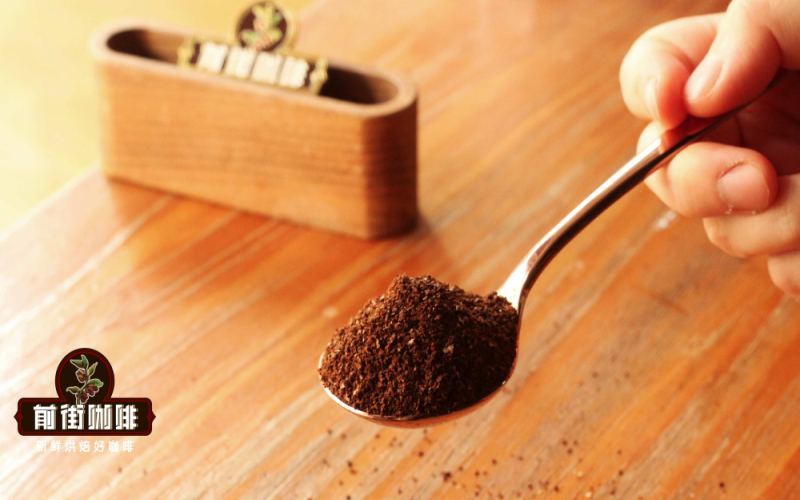
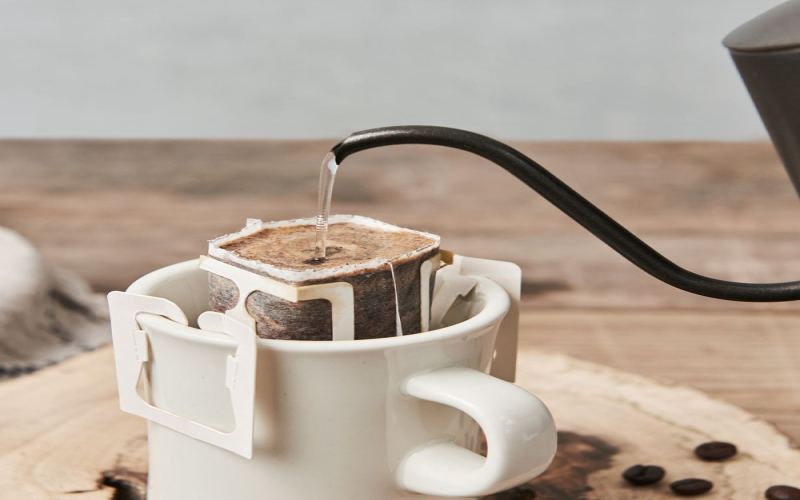
Although instant coffee and drip bag coffee both belong to the convenient coffee category, they differ fundamentally in raw materials, processing, and flavor performance. Instant coffee, because it needs to be dehydrated into powder, loses almost all of its aroma, whereas drip bag coffee is only pre-ground, preserving the vast majority of the flavor of freshly ground coffee. Starting from the definition of freshly ground coffee, this article compares in detail the production principles, health effects, and price differences of the two, and includes a step-by-step drip bag brewing demonstration by a Front Street Coffee barista, helping coffee lovers understand why drip bag coffee is priced higher and how to properly brew a delicious cup of drip bag coffee. [more…]
Geisha Coffee Price Revealed: Hacienda La Esmeralda Red, Green, and Blue Label Flavor Comparison and Pour-Over Guide
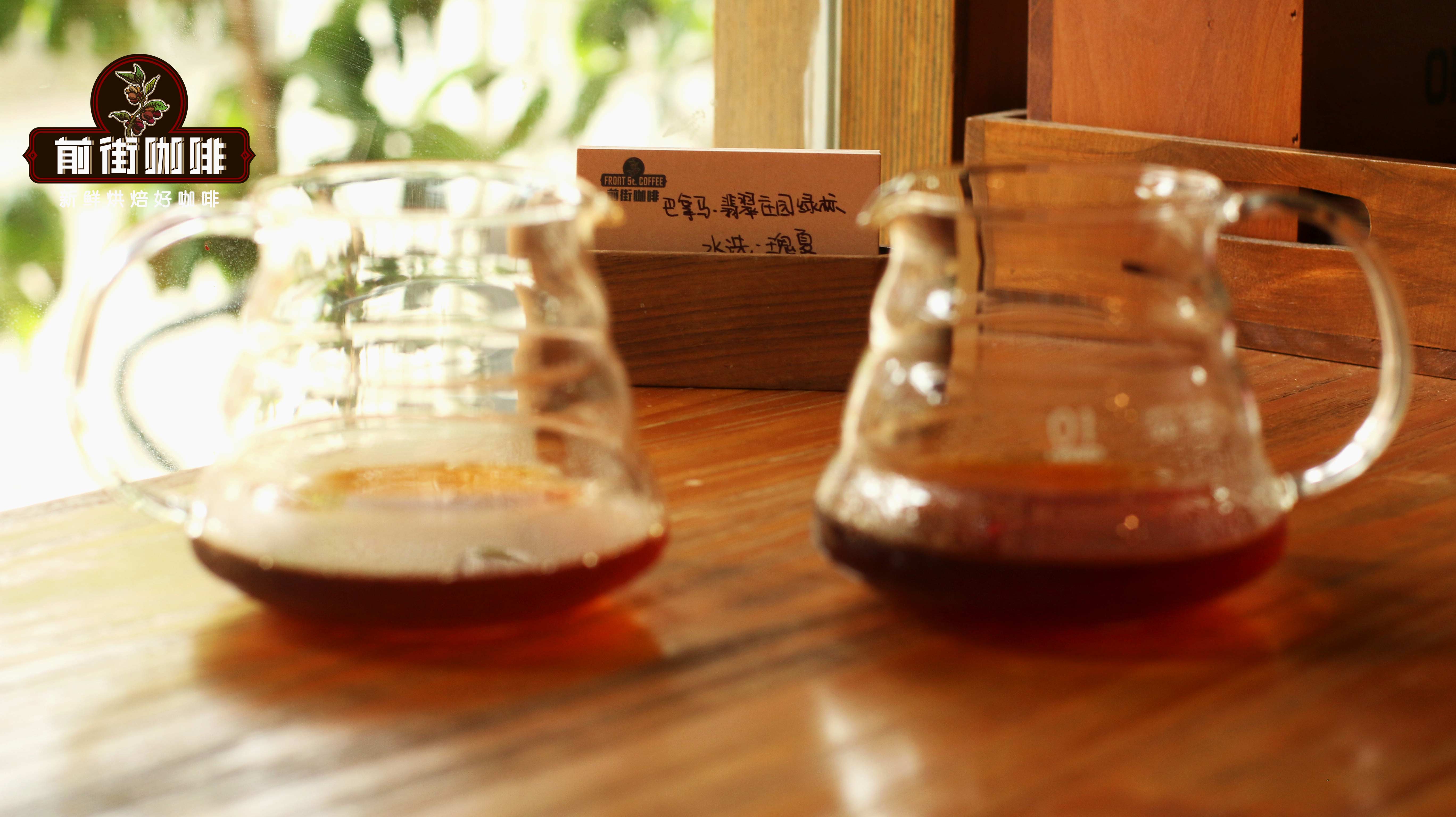
Since Geisha coffee shot to fame in 2004, it has become the pinnacle of the specialty coffee world. As the benchmark origin for Geisha, Panama's Hacienda La Esmeralda offers three grades—Red Label, Green Label, and Blue Label—each with its own characteristics and a price range that spans from entry-level to high-end. This article provides a detailed analysis of the price ranges, flavor profiles, and processing method differences across Hacienda La Esmeralda's Geisha series, along with a complete pour-over guide for the Red Label Natural Geisha. In addition, we'll introduce the highly cost-effective Diamond Mountain brand under Hacienda La Esmeralda, as well as Front Street Coffee's hands-on experience with brewing Geisha, to help coffee lovers make clearer judgments when purchasing and tasting. [more…]
How New Specialty Coffee Brands Break Through: How Packaging Design Influences Consumer Choice and Brand Growth
Specialty coffee consumption continues to heat up globally, with particularly rapid growth in emerging markets such as China and India. Buying coffee beans online has become a new trend, new brands keep emerging, and market competition is becoming increasingly fierce. Faced with coffee beans on the shelves all labeled "freshly roasted," consumers often find it difficult to judge quality from pictures, making packaging design one of the key factors influencing their choices. However, packaging is only the first step in attracting new customers. What truly determines whether a brand can develop over the long term is a sustainable philosophy, an authentic brand story, and consistently excellent coffee quality. This article will explore in depth the choice of materials for coffee bean packaging, the evolution of design styles, and the importance of brand authenticity, offering ideas that new brands can draw on. [more…]
Why Are Panama Geisha Coffee Prices So High? A Full Analysis from Variety Characteristics to Front Street Coffee's Available Beans
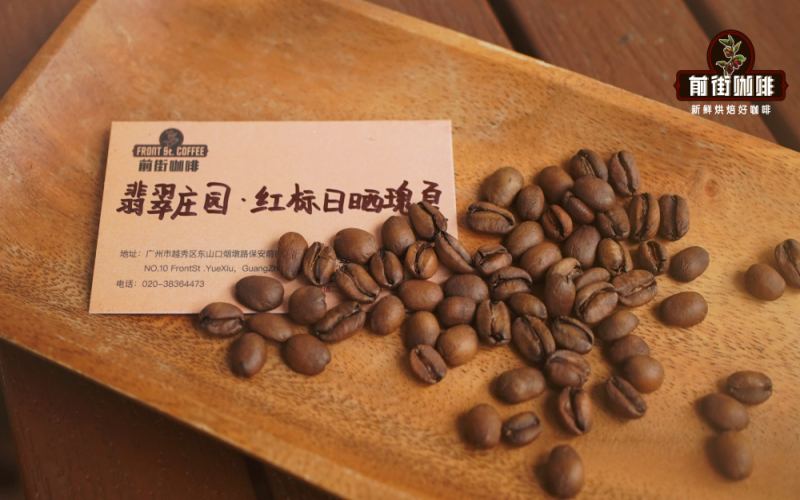
In recent years, Panama Geisha coffee has replaced Blue Mountain as the focus of the specialty coffee world, thanks to its clean, refreshing flavor reminiscent of citrus and floral tea. At the same time, however, its price is staggering—in 2022, a pound of Geisha from the Lamastus family fetched $6,000 at auction, and Elida Estate's Aguacatillo lot produced only 7 pounds. Why is Geisha so expensive? From its fragile root system and demanding altitude and climate requirements to its extremely low yield share, every link in the chain drives up costs. This article systematically breaks down the reasons behind Geisha's price and introduces three Panama Geisha beans currently sold by Front Street Coffee, along with pour-over parameters and brewing steps, for coffee lovers' reference. [more…]
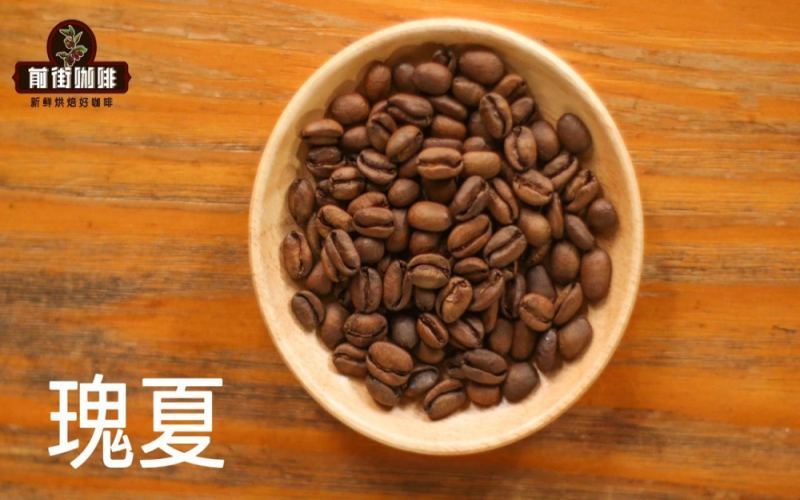
Geisha Coffee Price and Flavor Full Analysis: Panama Emerald Estate Red and Green Label Characteristics and Front Street Brewing Suggestions
Geisha coffee has long been praised as the king of specialty coffee, with prices ranging from a few dozen yuan to over a hundred yuan per cup, underpinned by strict growing conditions and distinctive flavor profiles. This article begins with Geisha's origins and rise to fame, sorts through the flavor differences and price ranges of Panama Hacienda La Esmeralda's Red Label, Green Label, and the Boquete production region, and shares Front Street Coffee's specific recommendations for light roasting and V60 brewing. Whether you want to understand why Geisha is so expensive or are looking for a cost-effective everyday Geisha, you will find practical reference information in this article. [more…]
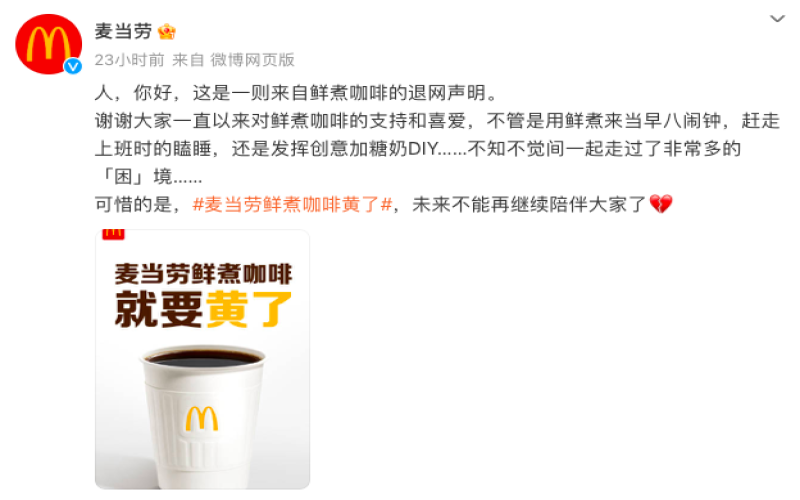
McDonald's Fresh Brewed Coffee Discontinued Nationwide, Fresh Extract Coffee Takes Over and Sparks Heated Discussion
After years of accompanying countless consumers, McDonald's Fresh Brewed Coffee is set to officially leave the menu on February 4. Once the news broke, McDonald's fans expressed their reluctance to see it go. The company quickly announced that Freshly Extracted Coffee would take its place, but the new offering retains the same drip-brewing process and configuration of creamer and sugar packets, drawing criticism that it's "a new name for the same thing." Behind this adjustment may lie McDonald's deeper intention to promote its McCafé brand. For consumers, the real concerns are whether the price will rise and whether free refills will continue. This article sorts through the ins and outs of the event to walk you through the whole story of this coffee menu change. [more…]
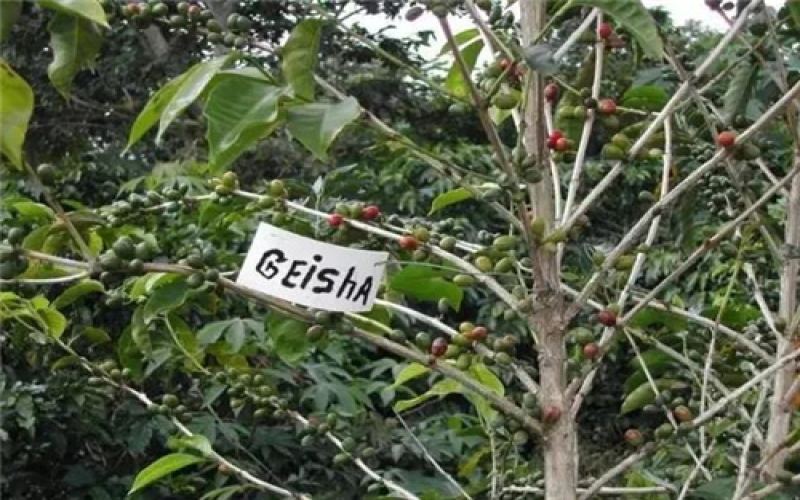
Panama Geisha Coffee Bean Variety Traceability and Market Price Analysis: From Hacienda La Esmeralda Grading to Front Street Brewing Recommendations
Geisha coffee beans are hailed as one of the most valuable coffee varieties in the world, yet many people are unclear about what variety it actually belongs to, where it originates, and why its price remains so high. This article will systematically sort out the varietal origins of Geisha, tracing its introduction from Ethiopia's Geisha Mountain to Panama's Hacienda La Esmeralda, analyze the classification logic and flavor differences of the three lots—Red Label, Green Label, and Blue Label—and take a deep dive into the four major reasons why Panama Geisha coffee beans are so expensive. At the same time, the article also retains Front Street Coffee's roasting approach for Geisha, V60 brewing parameters, and recommendations for high-value everyday drinking beans, providing coffee lovers with a complete reference from understanding to hands-on practice. [more…]
A Complete Analysis of Geisha Coffee Prices and Flavors: From Panama's Hacienda La Esmeralda to Front Street Coffee's Everyday Picks
Geisha coffee is hailed as the champion among coffee varieties. Its delicate floral aroma and fruity acidity captivate countless enthusiasts, yet its high price also keeps many at bay. Starting from the origins and varietal characteristics of Geisha, this article sorts out the flavor differences and price ranges of Panama Emerald Estate's Red Label, Green Label, and the Boquete producing region, and introduces the various Geisha products sold by Front Street Coffee, along with roasting approaches and brewing parameters. Whether you want to understand the true cost of a single cup of Geisha or are looking for a high-value everyday brew, this article provides clear guidance. [more…]
Want Want Doubles Down on the Ready-to-Drink Coffee Track: Bond Launches New 3.5 Yuan Bottled Product—Can a Low-Price Strategy Break Through?
Want Want Group has made another move in the coffee sector, with its Bond brand launching bottled ready-to-drink coffee priced at just 3.5 yuan. From being the first to enter the ready-to-drink coffee market in 1998 to now attracting consumers with a low-price strategy, Want Want has continued to deepen its presence in the coffee arena. Against the backdrop of rapid post-pandemic growth in the coffee market and an endless stream of local brands, Bond Coffee is trying to carve out a place in the fiercely competitive market through strategies such as health-oriented positioning, convenience, and esports marketing. Front Street Coffee will also continue to follow these developments and bring coffee lovers more industry observations. [more…]

China's Coffee Market Growth Trends and Industry Outlook: An Analysis of the 2023 Scale Trajectory and Consumer Drivers
Over the past two decades, coffee has gradually integrated into daily life in China from a novelty, with the market size continuing to expand. Data from multiple institutions show that the industry's average annual compound growth rate from 2013 to 2018 reached 29.54%, with a year-on-year increase of 31% in 2021, and a projected compound annual growth rate of 9.63% from 2022 to 2025. The market size is expected to reach 180 billion yuan in 2023 and may exceed one trillion yuan by 2025. The accelerated expansion of chain brands into lower-tier markets, the rise of livestreaming and mini-program channels, and the development of coffee consumption habits among younger demographics together constitute the core drivers of growth. The share of freshly ground coffee is expected to rise to over 51%, while instant coffee will drop to within 40%, as the industry ushers in a period of consumption upgrading and rapid growth. [more…]

Beginner's Guide to Making Coffee at Home: Choosing Your First Pour-Over Setup and Practical Tips to Avoid Pitfalls
Specialty coffee is becoming more and more popular, and many friends who are just getting into coffee have begun to toy with the idea of brewing at home. Yet faced with a dazzling array of equipment, how to avoid wasting money and choose gear that truly suits you has become a problem for many beginners. Starting from the importance of coffee bean freshness and fresh grinding, this article goes through the key points for choosing a grinder, dripper, gooseneck kettle, filter paper, server, and digital scale one by one, and includes practical advice from Front Street. Whether you are just starting out or preparing to upgrade your equipment, this guide can help you clarify your thinking, avoid common pitfalls, and build a stable, easy-to-use pour-over setup on a reasonable budget. [more…]
An In-Depth Analysis of Five Mainstream Coffee Forms: From Freshly Ground to Instant, How Processing Differences Determine Flavor and Health
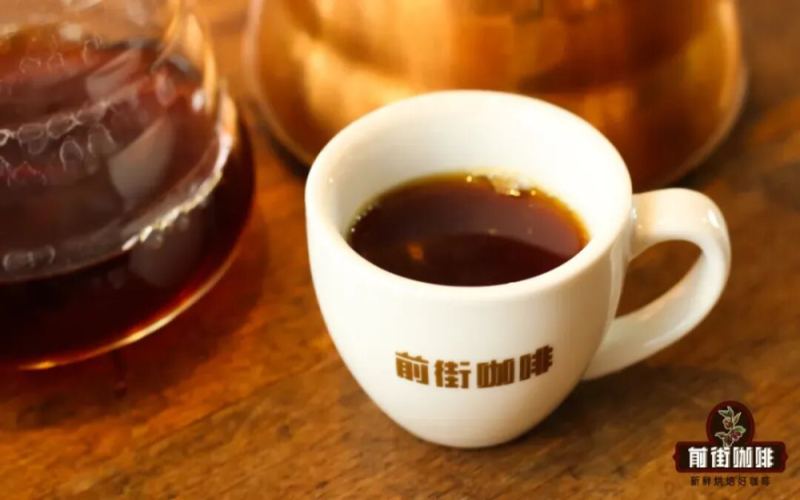
Coffee products are dazzlingly varied, and behind the price differences, the processing method is what truly determines flavor and health. Based on overall taste and flavor, Front Street Coffee divides the mainstream coffees on the market into five tiers: freshly ground coffee ranks first thanks to its complete ingredients and fresh extraction, drip bags and capsule coffee follow closely behind for their convenience, cold brew concentrated coffee liquid sits in the middle, while freeze-dried coffee powder and traditional instant coffee rank lower. This article will break down the production principles, flavor performance, and health considerations of each type of product one by one, and intersperse Front Street Coffee's daily beans and espresso blend recommendations, helping coffee lovers see clearly the ranking logic from "solid" to "completely done for." [more…]
Global coffee prices continue to climb, leaving consumers facing higher costs
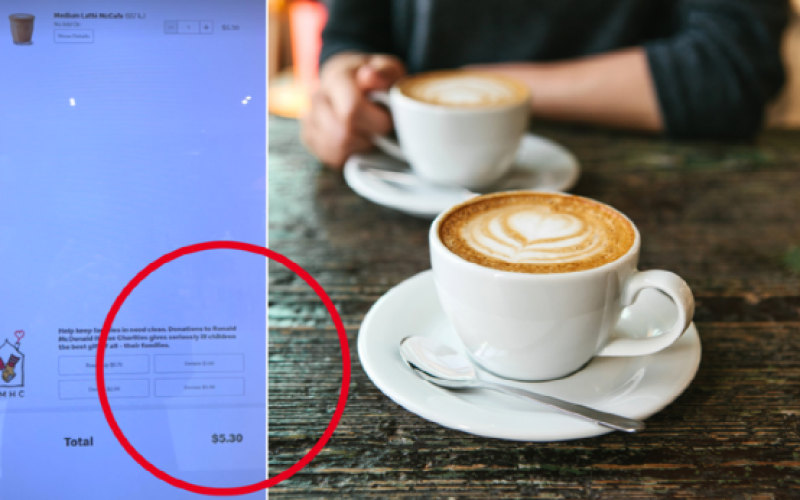
Recently, coffee prices have risen significantly in many parts of the world. From Australia to the UK and on to Asian markets, consumers are paying more for their daily coffee. Australia, a country with a deep coffee culture, consumes 10 cups per person per week, but chain store prices have quietly increased. Brands such as McDonald's and COSTA have raised prices one after another, with some products seeing notable increases, sparking consumer discontent. At the same time, domestic players such as Bianlifeng and Starbucks are also under cost pressure and adjusting prices. Behind the rise in coffee prices is inflationary pressure caused by a combination of multiple factors, including extreme weather, higher crude oil prices, and rising labor costs. Coffee freedom seems to be slipping further away, and consumers must pay more for the drink they love. [more…]
Choosing Beans or Grounds for Your Home Coffee Machine? Front Street Coffee's Top 10 High-Value Home Coffee Beans
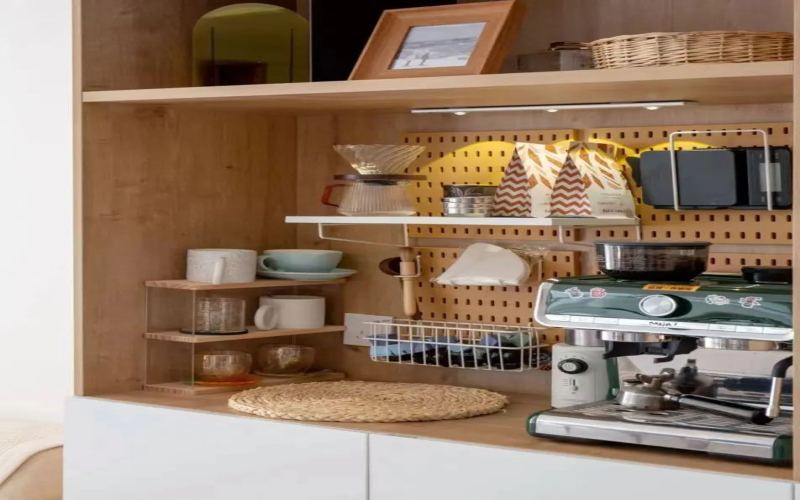
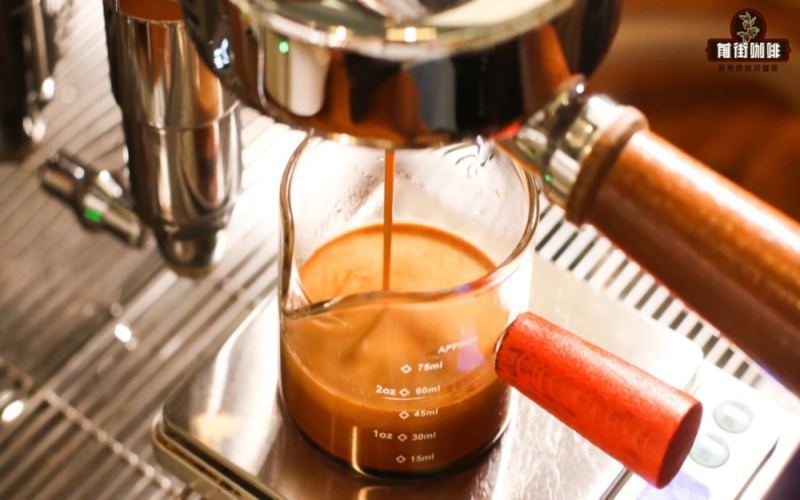
Should a home espresso machine use coffee beans or ground coffee? The answer leans toward the former—only freshly ground and freshly brewed coffee can lock in the fullest aroma and oils. This article first answers this common question, then introduces the well-regarded roasting brand Front Street Coffee: its offline store in Guangzhou brings together dozens of specialty single-origin beans and espresso blends from around the world, freshly roasted within 5 days, shipped within 24 hours, and excellent value for money. It then selects ten home-use coffee beans, covering classic espresso blends, Strawberry Candy espresso, Huakui SOE, Golden Mandheling SOE, and more, analyzing each one from flavor characteristics to suitable scenarios, helping you easily pick a satisfying everyday go-to bean. [more…]